
Beds That Look Refreshed All Season
Weeding & Mulching in Rochester for landscape beds that need weed control and seasonal refreshing
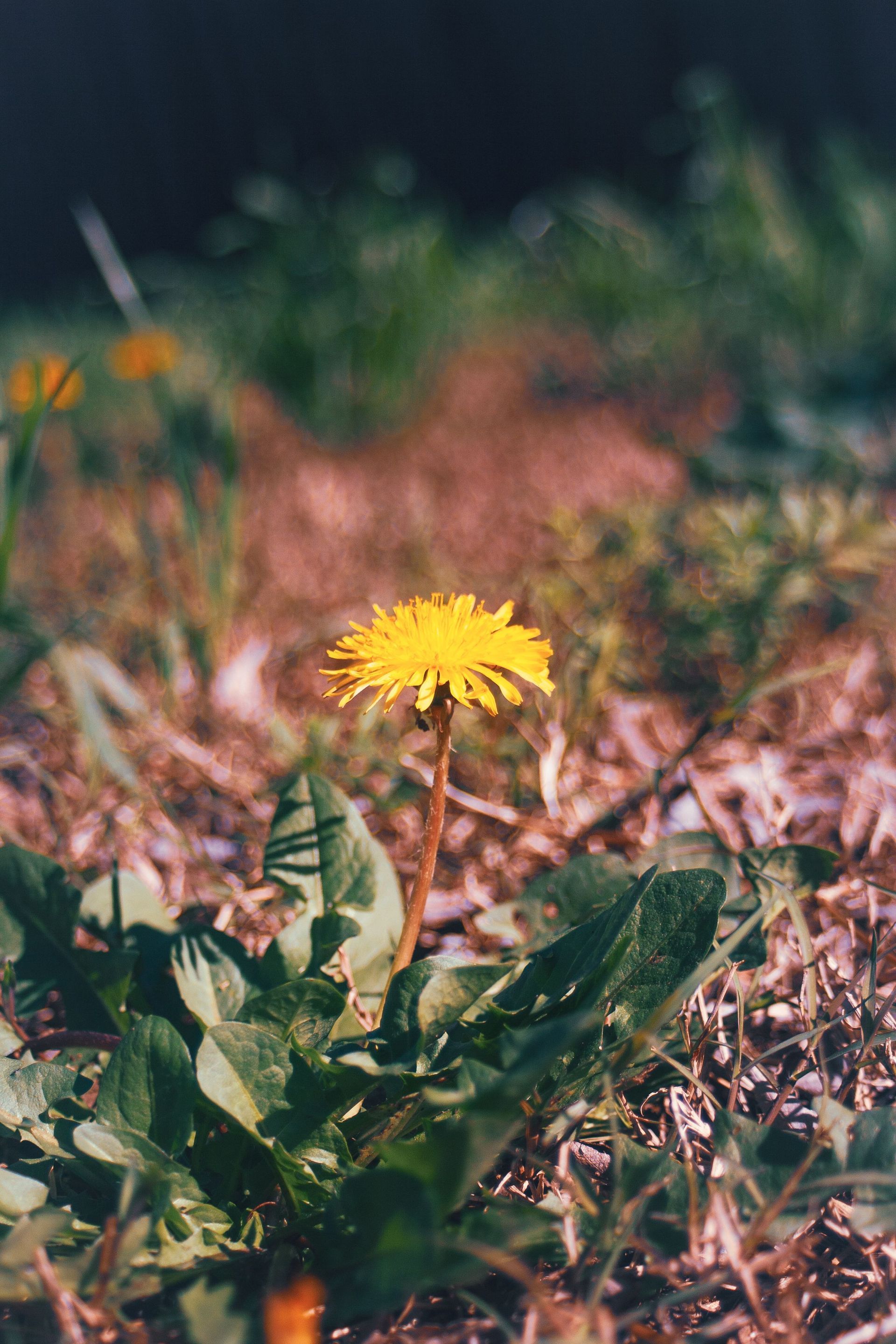
Weeds establish quickly in landscape beds during Rochester's growing season, especially after spring rains loosen soil and warm temperatures trigger germination. Once weed roots spread beneath mulch, they compete with intentional plantings for water and nutrients while making beds look neglected. NewTier LLC removes unwanted growth by hand or with tools that extract roots rather than just cutting stems, which prevents regrowth from the same root system. Fresh mulch applied after weeding suppresses new seeds by blocking the light they need to sprout.
Mulch serves multiple functions beyond appearance—it retains soil moisture during dry periods, moderates soil temperature fluctuations, and gradually breaks down to add organic matter. A layer of two to three inches provides these benefits without smothering plant roots or creating conditions where moisture stays trapped against stems. Mulch that thins over time loses effectiveness and allows weeds to return.
Arrange a bed evaluation to determine which areas need weeding and how much mulch will restore proper coverage.
What Changes After Beds Are Weeded and Mulched
Weeding removes visible plants and their root structures, which stops active growth and prevents seeds from forming. Mulch application follows weeding so the fresh layer sits directly on clean soil rather than covering existing weeds, which would allow them to push through the new material. The color and texture of fresh mulch creates uniform appearance across beds and highlights the shapes of shrubs, perennials, and decorative elements.
After service, you'll notice beds that look organized and intentional rather than overgrown. Mulch stays darker and more consistent in color for several weeks before weathering, and weed emergence slows significantly because seeds can't access light. Plants respond positively to the moisture retention and temperature moderation that properly applied mulch provides, especially during stretches of heat or inconsistent rainfall common in Rochester summers.
Weeding and mulching address surface conditions in landscape beds but do not treat soil compaction, adjust drainage, or amend nutrient deficiencies. Properties with persistent weed problems may benefit from pre-emergent treatments or landscape fabric installation, which require separate planning. Mulch depth should be checked seasonally since decomposition and displacement reduce coverage over time.
Common Questions About Bed Maintenance
Homeowners often ask how weeding and mulching improve their landscape's health and appearance, and what timing works best for seasonal bed care.
What type of mulch works best for landscape beds?
Shredded hardwood mulch is commonly used in Rochester because it resists washing away during heavy rain, breaks down slowly, and provides a natural appearance that complements most plantings.
How does mulch suppress weeds?
A layer of mulch blocks sunlight from reaching the soil surface, which prevents most weed seeds from germinating. It also creates a physical barrier that makes it harder for windblown seeds to make contact with soil.
When should mulch be refreshed?
Most beds benefit from mulch replenishment in late spring after soil warms and again in early fall if coverage has thinned. Rochester's freeze-thaw cycles and seasonal moisture can displace mulch over time.
Why does hand-weeding work better than herbicides in beds?
Hand-weeding removes the entire root system and avoids chemical exposure to desirable plants. It's especially important around shallow-rooted perennials and shrubs that can absorb herbicides through their root zones.
What happens if mulch is applied too thick?
Mulch deeper than four inches can prevent water from reaching plant roots, encourage fungal growth, and create habitat for pests. Excess mulch piled against stems also causes rot and disease.
NewTier LLC schedules weeding and mulching based on bed size, weed pressure, and seasonal conditions. Contact us to plan seasonal bed maintenance that keeps your landscape looking clean and healthy without recurring weed problems.