Borders That Define Your Landscape
Edging in Rochester for properties where grass encroaches on walkways, driveways, and landscape beds
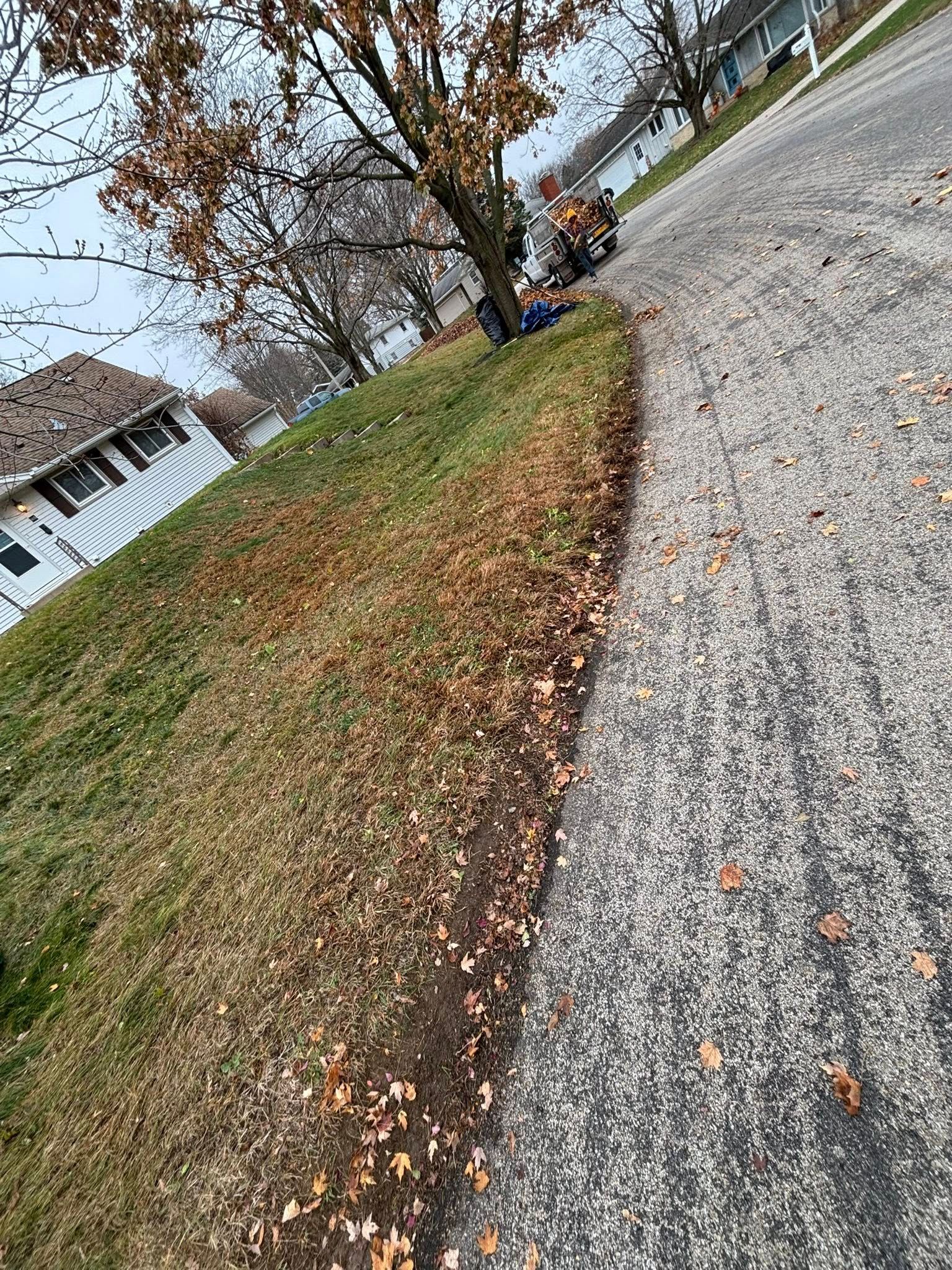
Grass grows horizontally through stolons and rhizomes that extend beyond the visible turf line, especially along pavement and mulched beds where sunlight and warmth encourage faster expansion. NewTier LLC uses edging tools to cut a clean vertical line that stops this spread and creates a visible boundary between lawn areas and hardscapes or plantings. In Rochester, the contrast becomes especially noticeable after spring growth pushes turf outward from winter dormancy.
Edging removes the ragged, overgrown appearance that develops when grass roots cross onto sidewalks or invade mulch. The process exposes a crisp line that highlights the separation between different landscape zones. Without regular edging, turf gradually obscures the edges of walkways and reduces the visual definition that makes properties look intentionally maintained.
Request an edging evaluation to identify which borders would benefit most from defined separation.
Why Proper Edging Works for Landscape Clarity
Edging cuts through grass roots at the point where turf meets pavement, gravel, or mulch, creating a small trench that prevents regrowth for several weeks. The depth and angle of the cut determine how long the edge stays clean before roots re-establish across the line. Shallow cuts lose definition within days, while deeper cuts maintain separation through multiple mowing cycles.
Once edging is complete, you'll see a clear gap between the lawn and adjacent surfaces, and mowing becomes easier because grass no longer spills onto walkways or driveways. The manicured look lasts longer when edging is part of routine maintenance rather than a one-time correction, since grass roots are managed before they cross boundaries and require more aggressive removal.
The service focuses on high-visibility borders such as front walkways, driveway aprons, and main landscape beds. It does not include trenching for drainage or installing physical edge barriers like metal or plastic strips, which serve different structural purposes. Frequency depends on grass type and growth conditions, with cool-season turf in Rochester typically requiring edging every three to four weeks during peak growth.
What Property Owners Want to Know
Edging questions often center on how the process works, what changes after service, and how often borders need attention to stay defined.
What does edging actually remove?
The tool cuts through grass roots and removes a narrow strip of turf along the border, creating a small channel that visually separates the lawn from pavement or mulch. Loose soil and roots are cleared away to expose a clean edge.
How long does the defined edge last?
Depending on grass growth rate and weather conditions in Rochester, edges typically stay visible for three to five weeks before roots begin crossing the line again and the border softens.
Why does edging make mowing easier?
A defined edge prevents grass clippings from scattering onto sidewalks and driveways during mowing. It also gives the mower deck a clear stopping point, reducing the need for follow-up trimming along borders.
When is the best time to schedule edging?
Edging works best when soil has moderate moisture—not too wet or too dry. Early in the growing season, edges may need more frequent attention as grass accelerates growth after dormancy.
What happens if edges haven't been maintained in years?
Overgrown edges require a deeper initial cut to re-establish the border, followed by regular maintenance to prevent turf from reclaiming the line. The first service takes longer than routine edging.
NewTier LLC includes edging as part of complete lawn care programs or schedules it separately based on property needs. Add edging to your maintenance plan to keep landscape borders looking intentional and well-defined throughout the season.