
Structures Removed to Prepare Space for Upgrades
Remodeling & Demolition in Rochester for homeowners transforming outdated rooms and reconfiguring property layouts
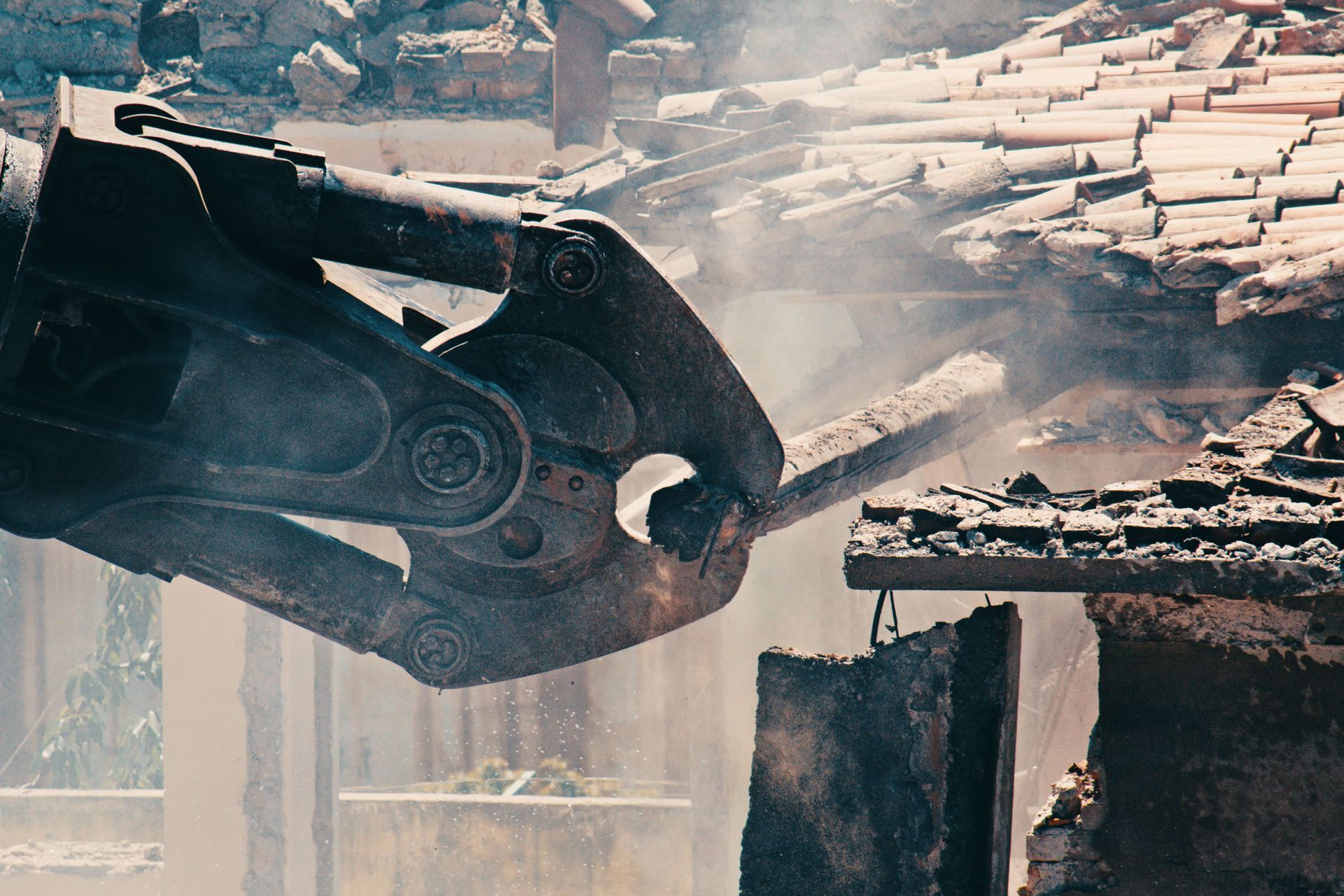
Renovation projects begin with demolition that removes what no longer serves the property's function or design. Outdated cabinetry, partition walls that create cramped layouts, deteriorated bathroom fixtures, and damaged structural elements all require safe removal before new installations can proceed. NewTier LLC handles small-scale remodeling and demolition work throughout Rochester, clearing spaces so renovation can begin with clean surfaces and verified structural conditions rather than building over questionable materials.
Demolition work involves selective removal of specific components while protecting elements that remain in place, managing debris so spaces stay navigable during multi-phase projects, and identifying hidden conditions like outdated wiring or plumbing that affect renovation plans. The process differs significantly from whole-structure demolition because it requires precision around systems that continue operating and finishes that must remain undamaged.
Arrange an on-site consultation to review which elements need removal and how demolition sequencing affects your overall renovation timeline.
What Proper Demolition Accomplishes
Small-scale demolition includes removing interior walls, tearing out old flooring, stripping cabinets and countertops, extracting damaged fixtures, and clearing areas down to structural framing or subfloors. Each removal stage creates opportunities to inspect underlying conditions, verify that framing meets current standards, and address problems before covering them with new finishes. For instance, removing old bathroom tile often reveals subfloor water damage or improper waterproofing that needs correction before new tile installation begins.
After demolition work concludes, you'll see cleared spaces with exposed framing, clean subfloors, and verified structural integrity rather than rooms still containing old materials that complicate installation measurements and create disposal problems mid-project. Work areas remain organized with debris removed daily rather than accumulating throughout the renovation, and utilities are capped safely where fixtures were removed. This preparation allows remodeling crews to begin installations immediately without spending billable time on tear-out and cleanup.
Demolition services extend to outdoor structures like deteriorated decks, old sheds that no longer function properly, and landscape features being replaced with updated designs. Safe removal includes disconnecting any utilities, preventing damage to surrounding landscape or hardscape elements, and verifying that removal doesn't affect drainage patterns or property boundaries.
Answers to Frequent Remodeling Questions
Property owners planning renovation projects often need guidance on how demolition integrates with overall remodeling timelines and what the process involves.
What happens during a typical demolition project?
Work begins with protecting areas not being renovated, disconnecting utilities from removed fixtures, systematically dismantling components in reverse order of their installation, and disposing of debris according to material type and local regulations.
How does demolition reveal hidden problems that affect renovation plans?
Removing finished surfaces exposes structural framing, mechanical systems, and substrates that may contain damage, outdated methods, or code violations requiring correction before new installations can proceed properly.
What preparations help demolition proceed efficiently?
Clearing personal items from work areas, identifying which elements stay versus go, verifying utility shutoff locations, and discussing debris disposal options before work begins all prevent delays during active demolition.
Why does selective demolition cost more per square foot than whole-structure removal?
Protecting adjacent areas, working around active utilities, hand-carrying debris through occupied spaces, and precisely cutting materials at boundaries all require more labor time than wholesale demolition where nothing needs protection.
When should Rochester homeowners schedule demolition relative to other renovation phases?
Demolition typically occurs after final design decisions are confirmed but before material orders arrive, creating a cleared workspace ready for installations without storing new materials near active tear-out debris.
NewTier LLC manages demolition and remodeling preparation for Rochester properties undergoing transformation. Contact our team to discuss project scope and coordinate demolition timing with your renovation schedule.